A Poppin’ Cookin’ Good Time

A friend and I had a “study date,” which means we watched Japanese animated movies and played with candy and pretended we were learning something.

Popin’ Cookin’ is childen’s DIY candy where the snacks you make usually resemble (and sometimes taste) like everyday foods — hamburgers, ramen, sushi. We tried the strawberry and vanilla flavor cake, ice cream and tart kit.

It came with everything we needed – mini sugar cones and tart shell, mixing tray and spoon, pastry bag for frosting, sprinkles, and the frosting mix. Just add water, and poof! Ice cream! sort of…

The mix smelled of pure sugar and strawberry Nesquik. Surprisingly (not really), I ate it anyway and it wasn’t nearly as sweet as I expected. It was maybe even a little bit good. Maybe. Just a little bit. Don’t judge.

I count this as studying because the instructions are all in Japanese. Maybe I read them, or maybe I just looked at the pictures … I’ll never tell.

We also made a panda cake, because, why not?!

First you draw the panda eyes and such with chocolate, following the pattern printed on wax paper. Then you top him off with vanilla “cake” mix which was more like pudding. I don’t have a microwave, so we put them in the toaster oven for a few minutes.

As you can see, one of us likes to color outside the lines.

Being a Broad in Japan

Being a Broad, a blog and online magazine for foreign women in Japan, posted a little feature of me on their site today. 

I’m not used to being pampered and primped, so needless to say I was a bit on the awkward side during the photo shoot. In most of the photos I look like a mousedeer caught in headlights, which, now that I’ve experienced flashbulbs, I can sympathize. But Kerry (photos) and Elena (makeup) were great, and I even caught myself having fun. Thanks again to both of them, and the editors at BAB – a great experience!

Head over to www.being-a-broad.com to check it out.

Look at my garden grow

I hesitate a bit to tell you how much time I’ve spent thinking about these vegetables this week. Because it makes me seem a little insane.

School has started up again, and all I can think about in class is how much I want to go home and sew my veggies. They’ve possessed me.

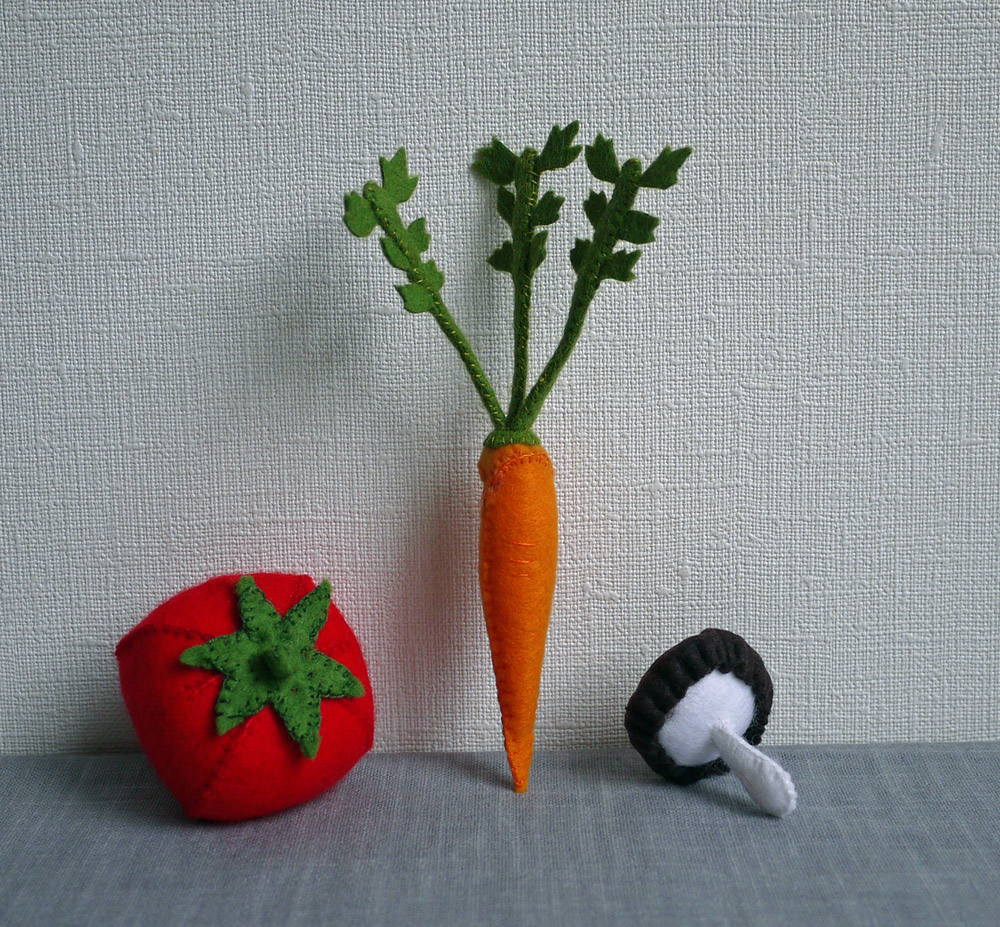
I think it is because they are incredibly satisfying to make — quick, easy, and in the end, totally adorable. Who thought a carrot could be so cute? I never did. I don’t even enjoying eating carrots (because I am still a 5 year old and pick them out of things), but sewing carrots is another story.

I made all of these veggies using this craft book I bought a few months ago, which has been sitting on my desk, begging me to open it. Laughing at me. Taunting me. “Look at how cute my fruits are!” it says to me in the middle of the night.

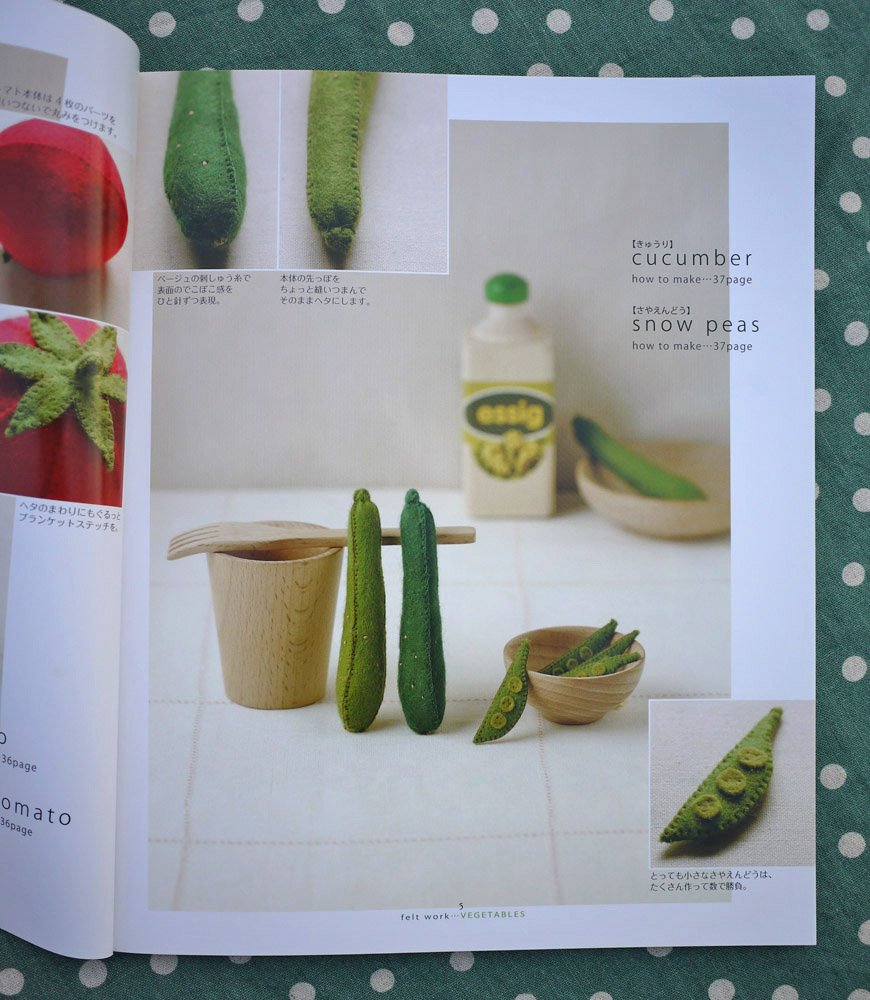
The title of this craft mook (regularly produced, somewhat cheap paperback books) translates to “Full of cute vegetables and fruits,” which is the absolute truth. It also promises that you can make everything inside using 20 sq.centimeter squares of felt, which are widely available around Tokyo.

The result is that some veggies turn out quite small, which was a challenge for my clumsy fingers.

Let’s take a look inside:

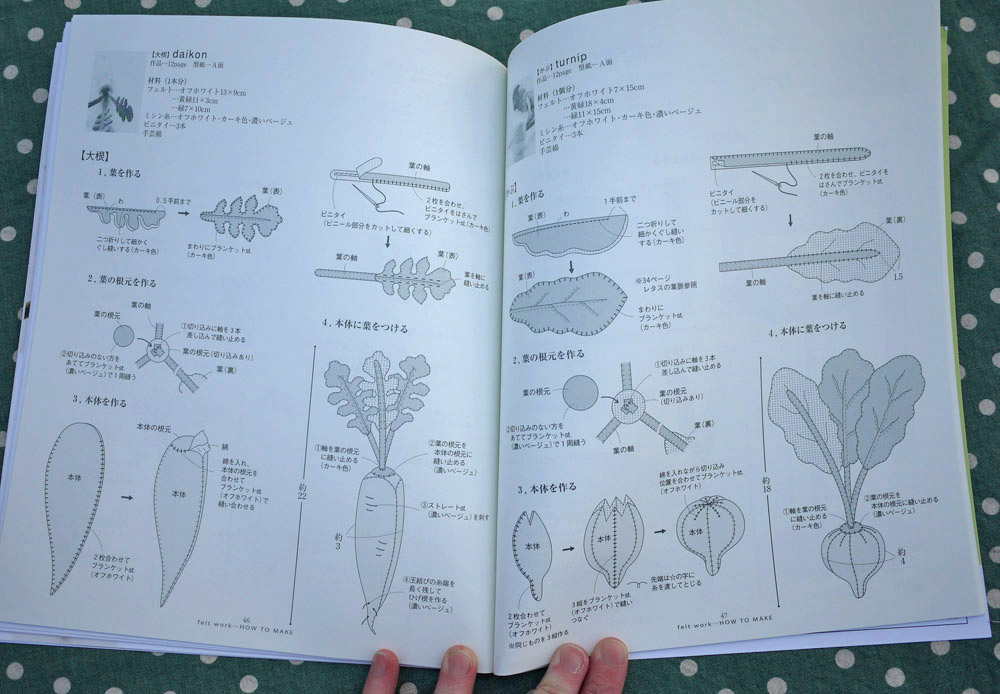
The headings and project titles are in English, but all of the instructions are in Japanese. I find I like this, actually — I can read enough to get a general sense of what to do, but also forces me to do a bit of problem solving to make up for the Japanese that I can’t quite understand.

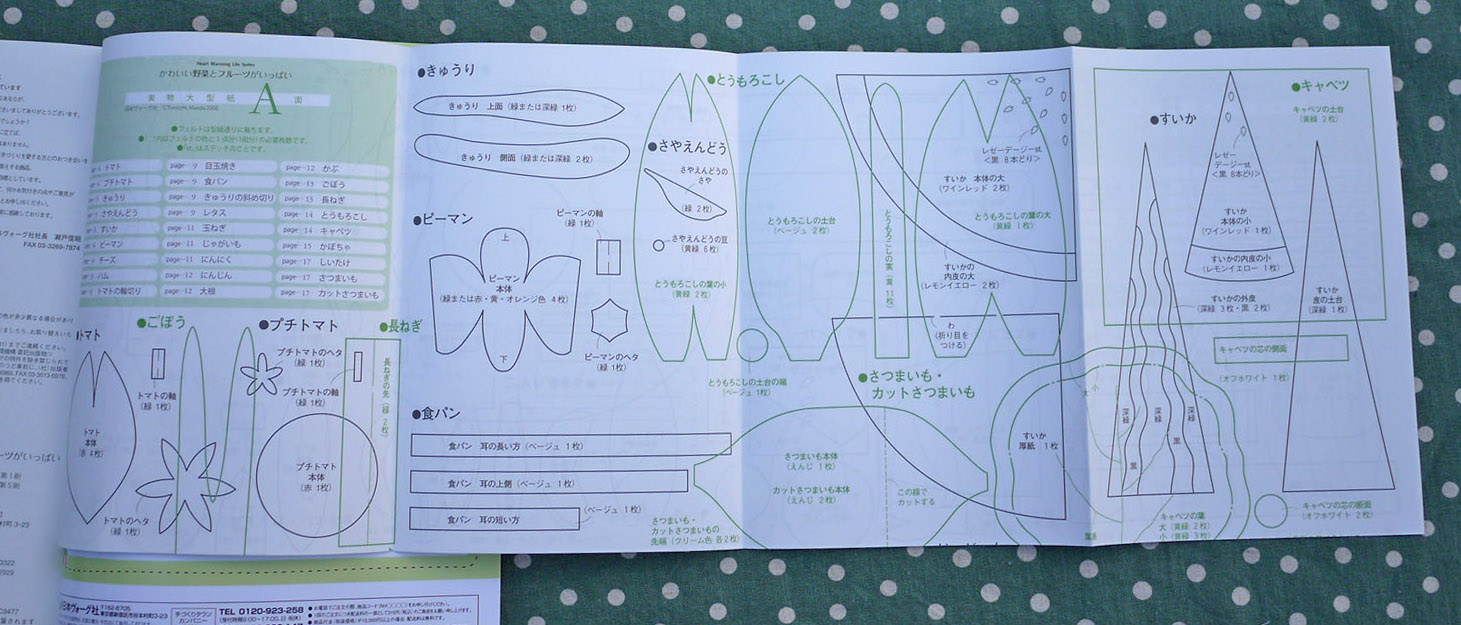
Each vegetable is represented in a full color photo spread in the front of the book, and in the back of the book additional assembly instructions guide you through the project. Patterns are printed on an additional sheet, which you tear out of the back cover.

I think they stretched the definition of fruits a bit by including these cakes, but who can complain once they see how happy they make this bear.

More photos can be found on Flickr. Have you made anything out of felt recently? Do share!

Snowy Yamagata

Lately I’ve been touting the blessings of spring, but deep down, my heart belongs to winter.

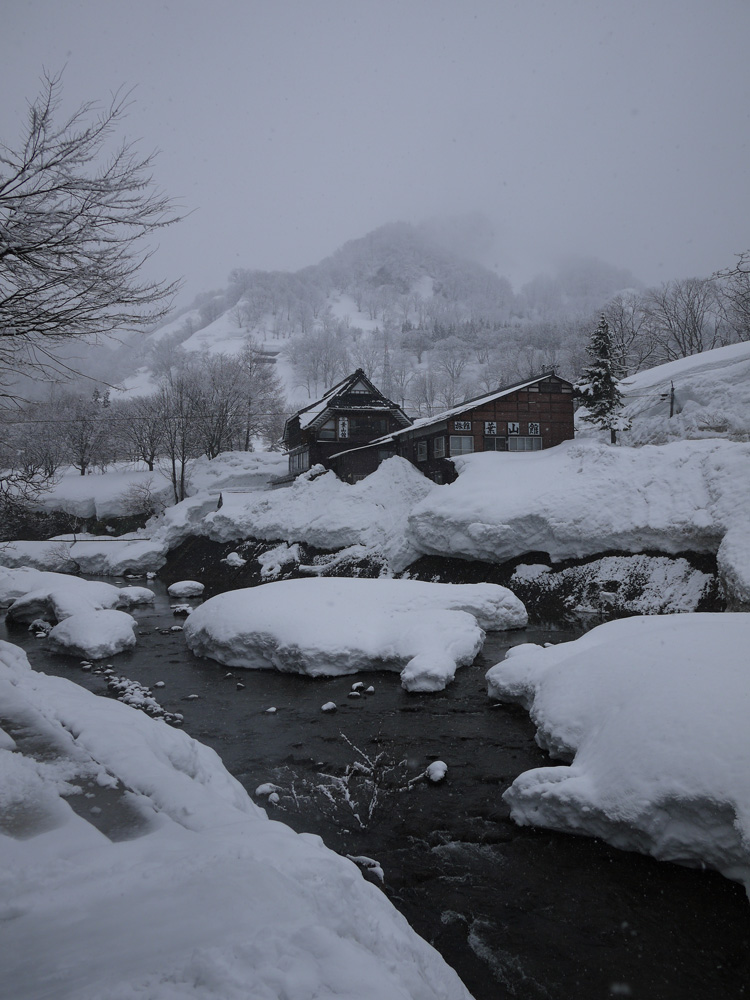
A few weeks ago Dan and I took a weekend trip to Hijiori Onsen, a tiny town in the mountains in northwest Japan. We took the Shinkansen to the last stop, then a bus for an hour, and we found snow. A lot of it. 

The morning greeted us with fresh snowfall, so we took stroll through town. It was quiet except for the sound of the river.

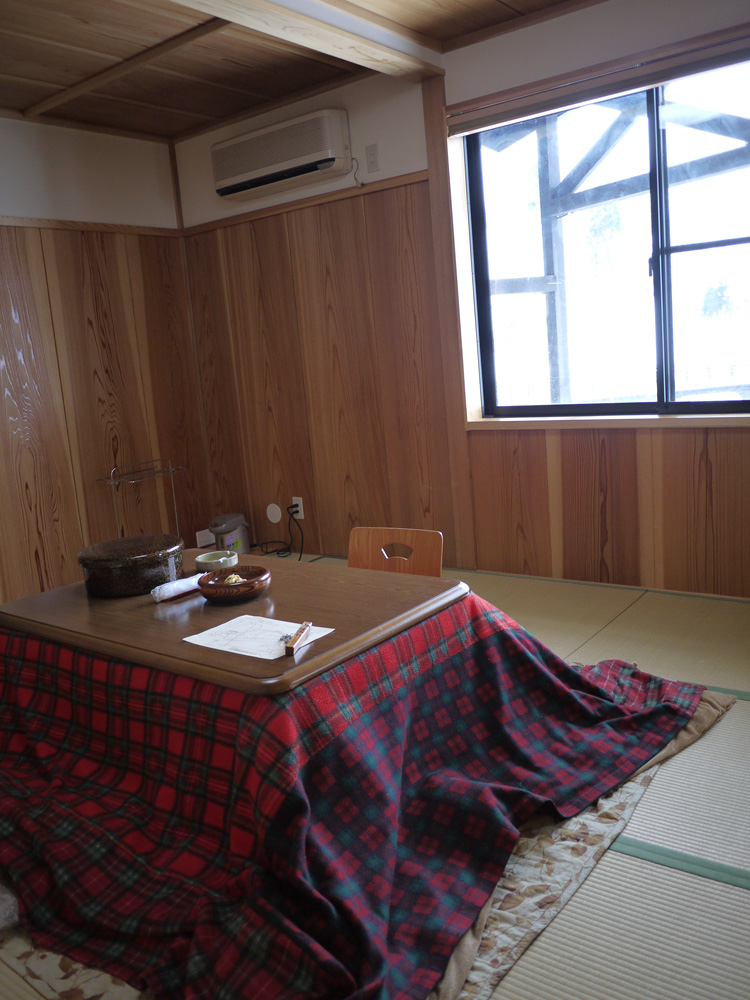
I was happy to spend the afternoon at our ryokan, tucked under the kotatsu. Through the window I watched the snow fall and tried to study Japanese, alternating sips of beer and green tea. When I needed a break from kanji, I stitched. Occasionally we raced to the window to glimpse a pair of hawks fishing in the river outside.

Hijiori Onsen is a hot spring resort town, and our ryokan had 3 different baths. Our first afternoon, I had this one to myself. The next morning I sat in a copper tub with the windows open and let snowflakes flutter in.

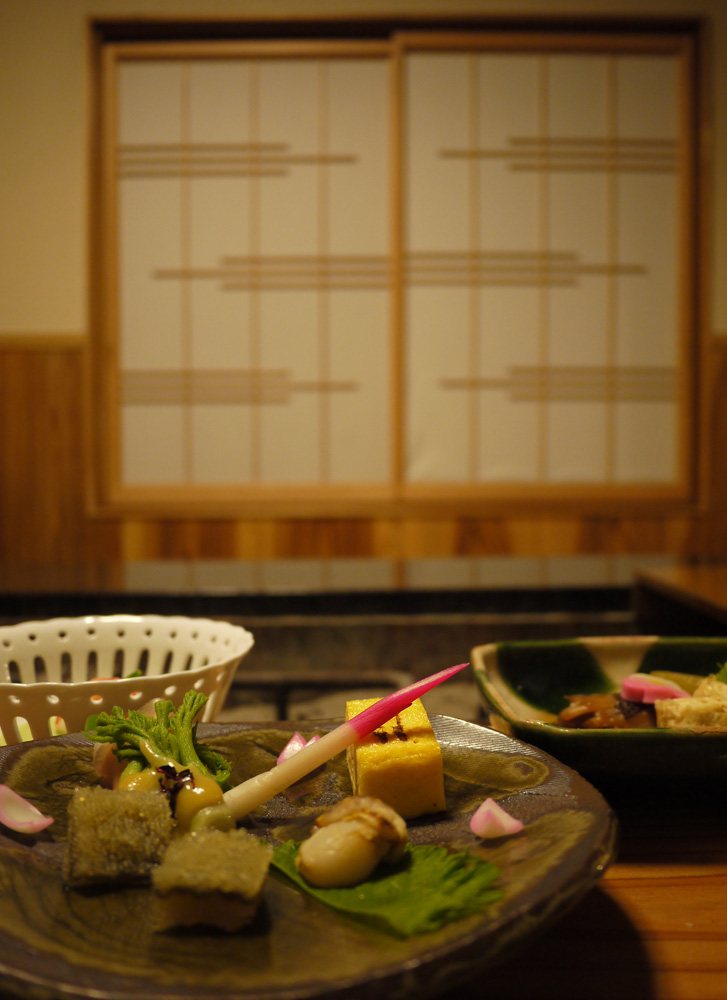
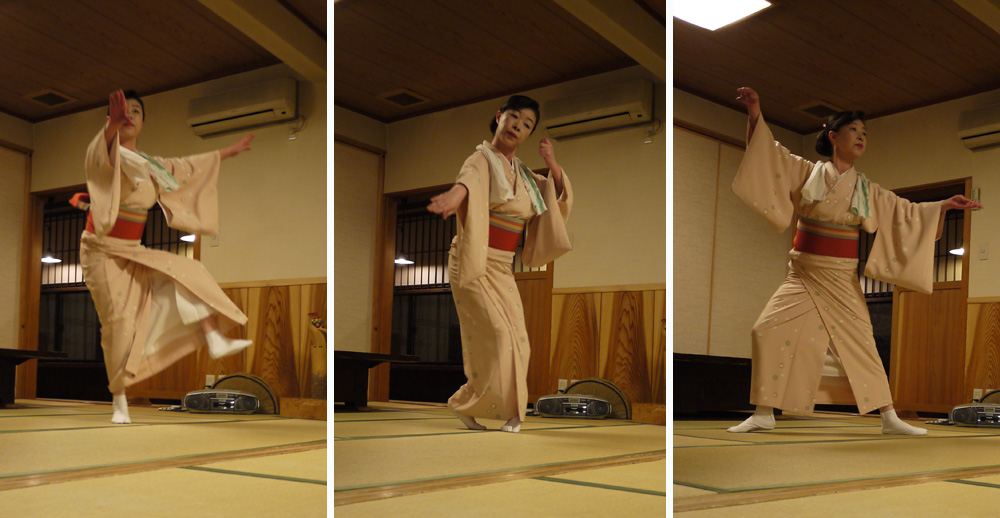
We stayed two nights, and both dinners were absolute feasts. Regional specialties included beef yakiniku, duck nabe (soup), mountain vegetables, and really good rice. We cooked our beef and duck nabe over a table with coals set inside. On Friday night, dinner ended with a dance. More photos of our two days of kaiseki can be found here on Flickr.

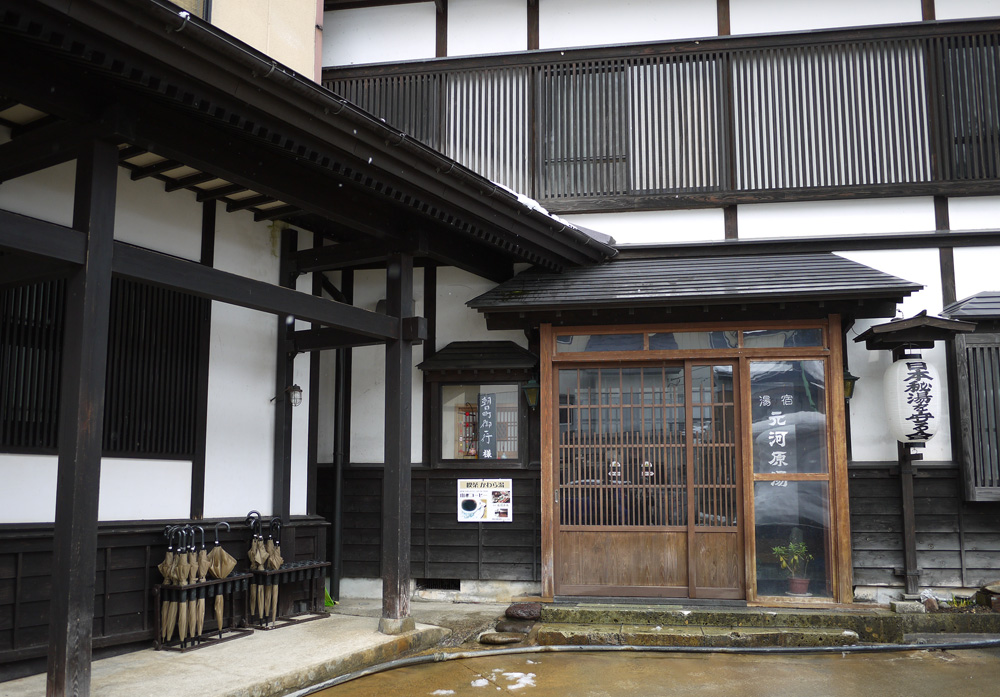
The owners at Yuyado-Motokawarayu ryokan were extremely welcoming. If you get a chance, stop by and say hello.

〒996-0301
山形県最上郡大蔵村南山454-1
TEL:0233-76-2259

Spring Sashiko Giveaway — We have a winner!

Thanks to everyone who left comments — it was great fun reading them all! I dumped the numbers in to the random number generator, and (drumroll please!) dadadadada…

Congrats to Liz! And to everyone else, thanks again for participating. ヾ(@⌒ー⌒@)ノ

If you are still interested in getting your itchy-stitchy fingers on the Spring Hanami Sashiko Kit, you can keep an eye on my Etsy shop where it will be available soon or pre-order one by sending me a message at sakepuppets@gmail.com. Want to learn more about sashiko? You can check out my online tutorial here, or stay tuned for how-to videos, coming soon.

The 2012 Spring Hanami Sashiko Kit, $35  – – – – – – – – – – – – – – – – –

Happy stitching, and happy Spring!

A Springtime Sashiko Giveaway!

* This giveaway is no longer accepting entries. Thanks! *

It’s almost hanami time! Yipskip!

I love hanami, the glorious time of year when people lay blankets and tarps in every park and available green space, spread their picnics, and enjoy the scenery. This year, I was inspired to make a new sashiko kit to celebrate.

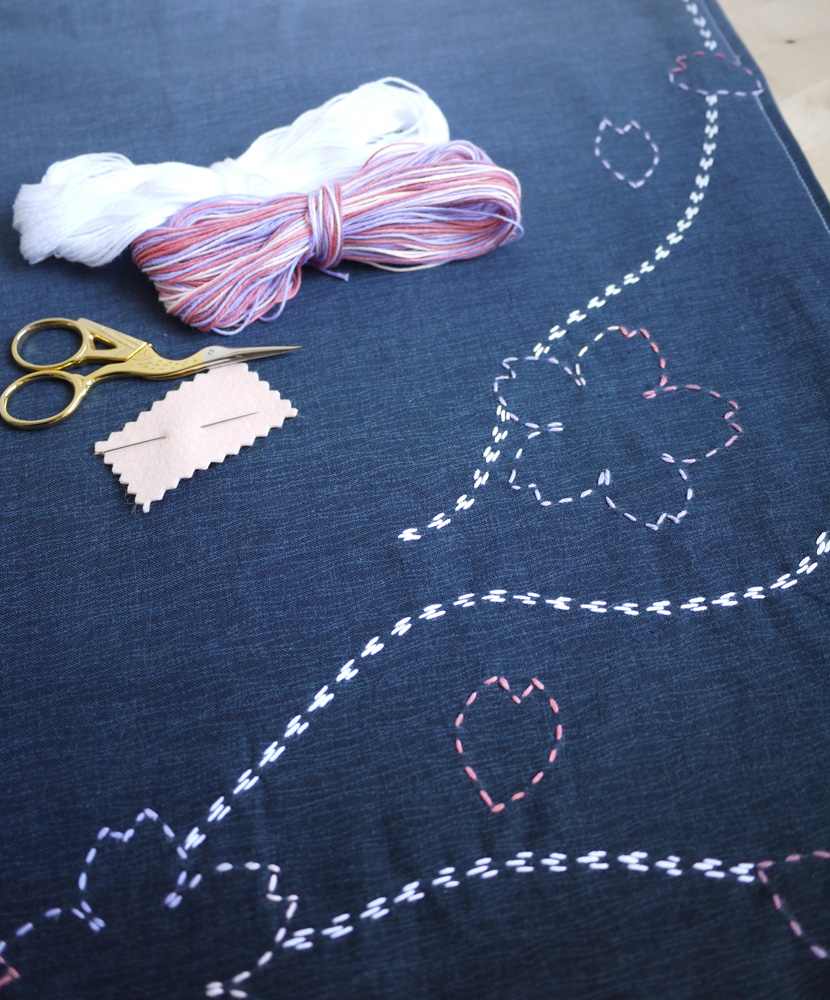
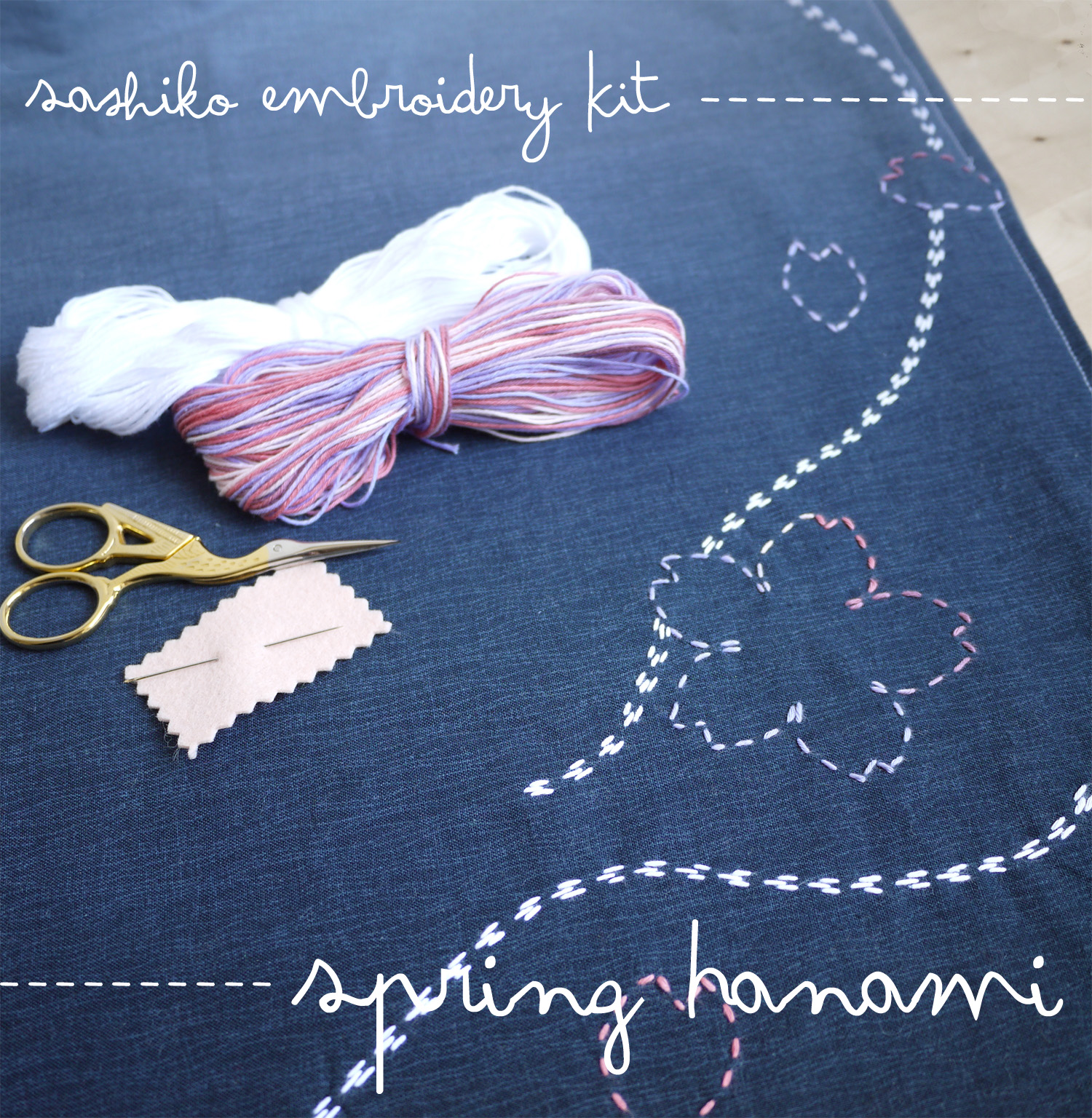
Meet the Spring Hanami Sashiko Kit. Set yourself up with a classy picnic, or perhaps bring some hanami indoors.

And, I want to share the hanami love! One lucky reader will receive a Spring Hanami Sashiko Kit, and perhaps some other sakura styled treats from Tokyo. So tell me, what is your favorite thing about spring? Leave a comment by Tuesday, March 20th to enter the giveaway. One commenter will be selected at random (one entry per person, please).

The Spring Hanami Sashiko Kit is a limited edition kit for the spring season and will be available in my Etsy shop beginning next week. Though, if you’re really excited about it — like I know you are! — you can pre-order by sending me a message at sakepuppets@gmail.com. I can accept payments via PayPal, and orders will ship next week.

The 2012 Spring Hanami Sashiko Kit, $35

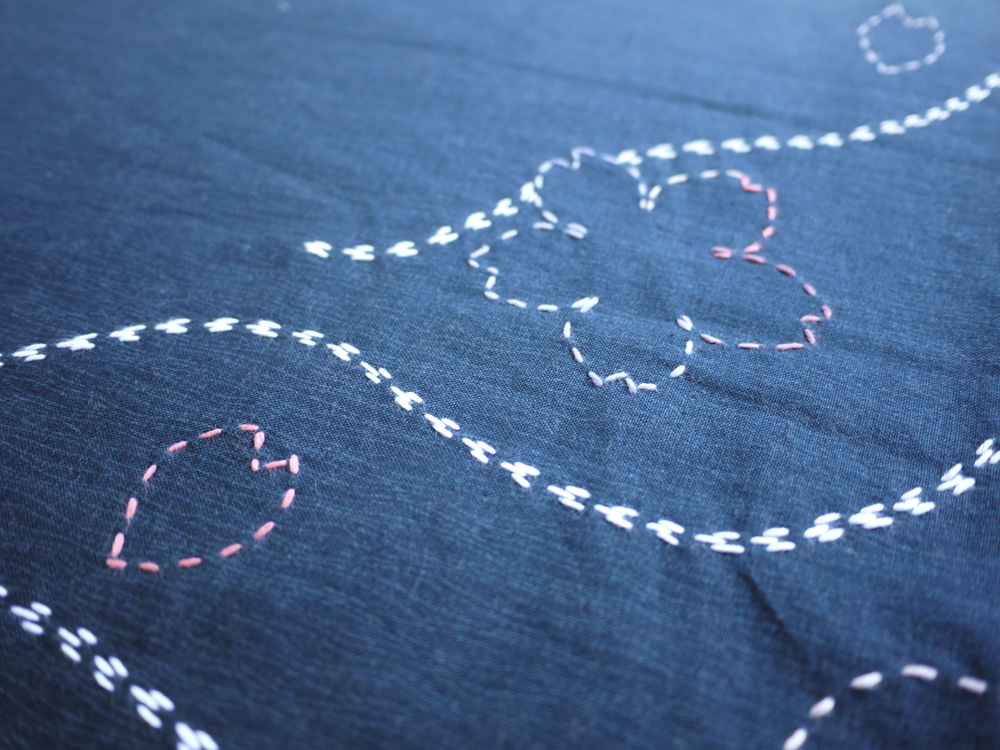
This design was inspired by the fluttering of petals as they fall from sakura trees on a breezy day. I love to stand underneath the trees and watch them swirl around me. The design is stitched using high quality, 100% cotton sashiko thread in pinks and white onto a gradated blue cotton fabric. It may look like just the lighting in the photos, but the fabric actually changes from dark blue to light. Sometimes this shading reminds me of the sky, and sometimes a stream. I’ll let you decide.

This kit includes everything you need to make one 16″ by 18″ (40 cm by 46 cm) table mat, including front and back fabric, pattern, materials for transferring the pattern to the fabric, needle, thread, and illustrated instructions. All materials included in the kit are of the highest quality and have been made in Japan. You will need to supply your own scissors, pins, and needle and thread. A sewing machine isn’t required, but it might be nice.

Want to learn more about sashiko? You can check out my online tutorial here, or stay tuned for how-to videos, coming soon!

Happy Spring!

Pink is the color of my White Day.

Today was White Day in Japan. Because I’m a bit spoiled, I got these:

A messy desk with fabric thrown over the piles of craft seconds as a photo studio. See Dan? there is a method to my madness.

Those macarons were amazing. Are they always? I have no idea. I usually opt for fruit tartlets, or dark chocolate with salty bits, or pie. But these macarons were ridiculously good. I didn’t shove them all into my mouth at once, even though I thought about it. I really did.

White Day is March 14th, the day when men who received chocolates from their lady friends a month ago are suddenly faced with an awkward and stressful dilemma: to return the favor and possibly send the wrong message (too much! not enough!), or pretend they forgot and hide under the desk all day.

While White Day was maybe a little stressful for Dan (many coworkers, many awkward moments), it was darn good to me. I left class with a sugar rush and a pocket full of Melty Kiss.

Not to mention, I had my classy snack set waiting for me at home.

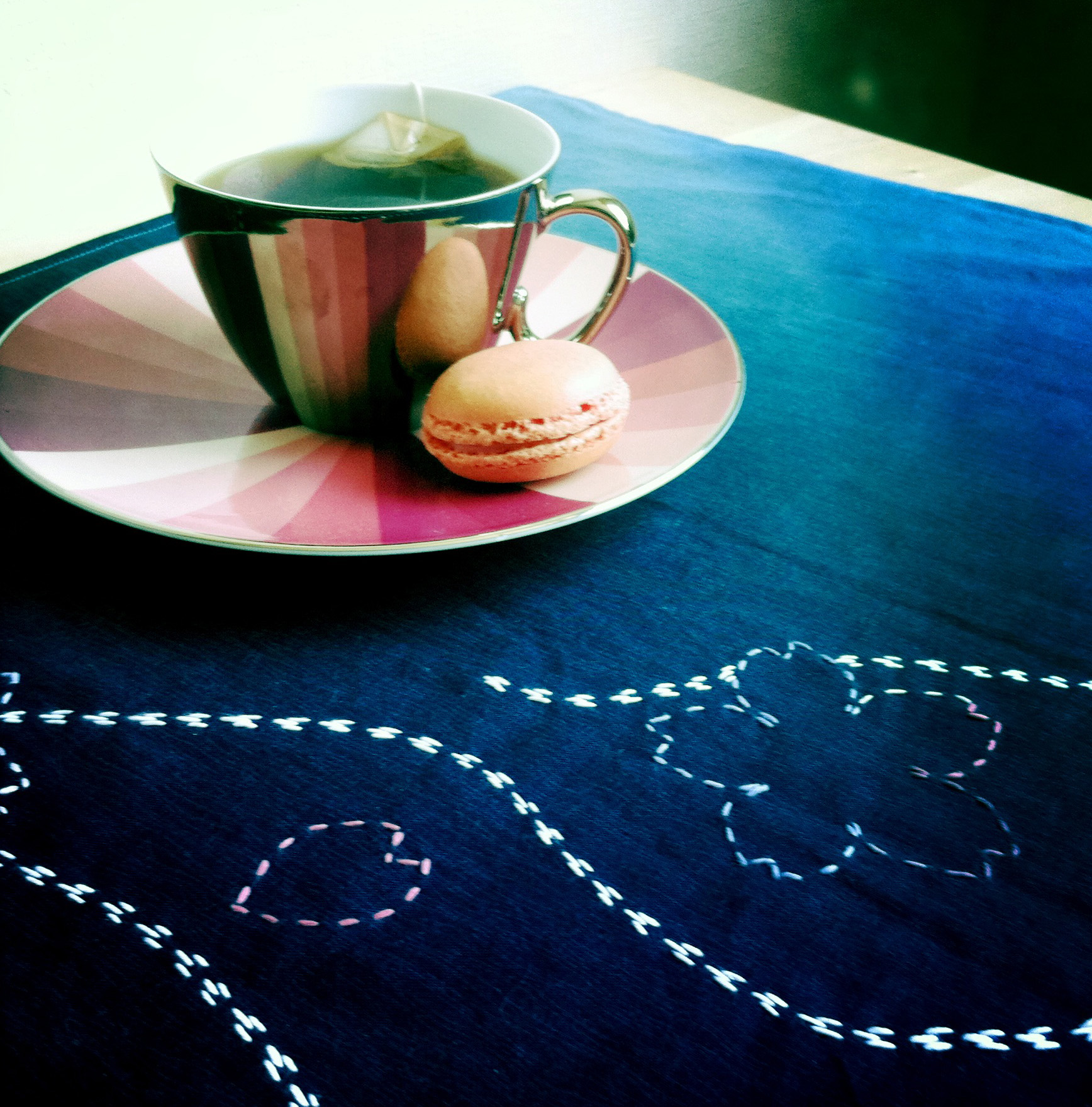
My fancy pink teacup, a raspberry macaron, and my newest sashiko kit (coming soon!), a sakura-covered picnic mat. It was a very sweet day.

Edo Wonderland

I feel a little bit like this today:

I’m not sure if it’s an allergy to the Japanese cedar tree or just a nasty cold, but my dizzy little rear end has been glued to the couch for the past 24 hours. I even missed Japanese class today, which means that though I missed just one day, when I return I’ll be a week behind. They move in warp speed.

But it’s the perfect opportunity to tell you about my trip to Nikko Edomura. Last week my school shuttled everyone up to visit Edo Wonderland, a 1600-1860s era “cultural theme park.”

As is the case for all school trips, the day’s highlight was the least educational component: the Ninja House.

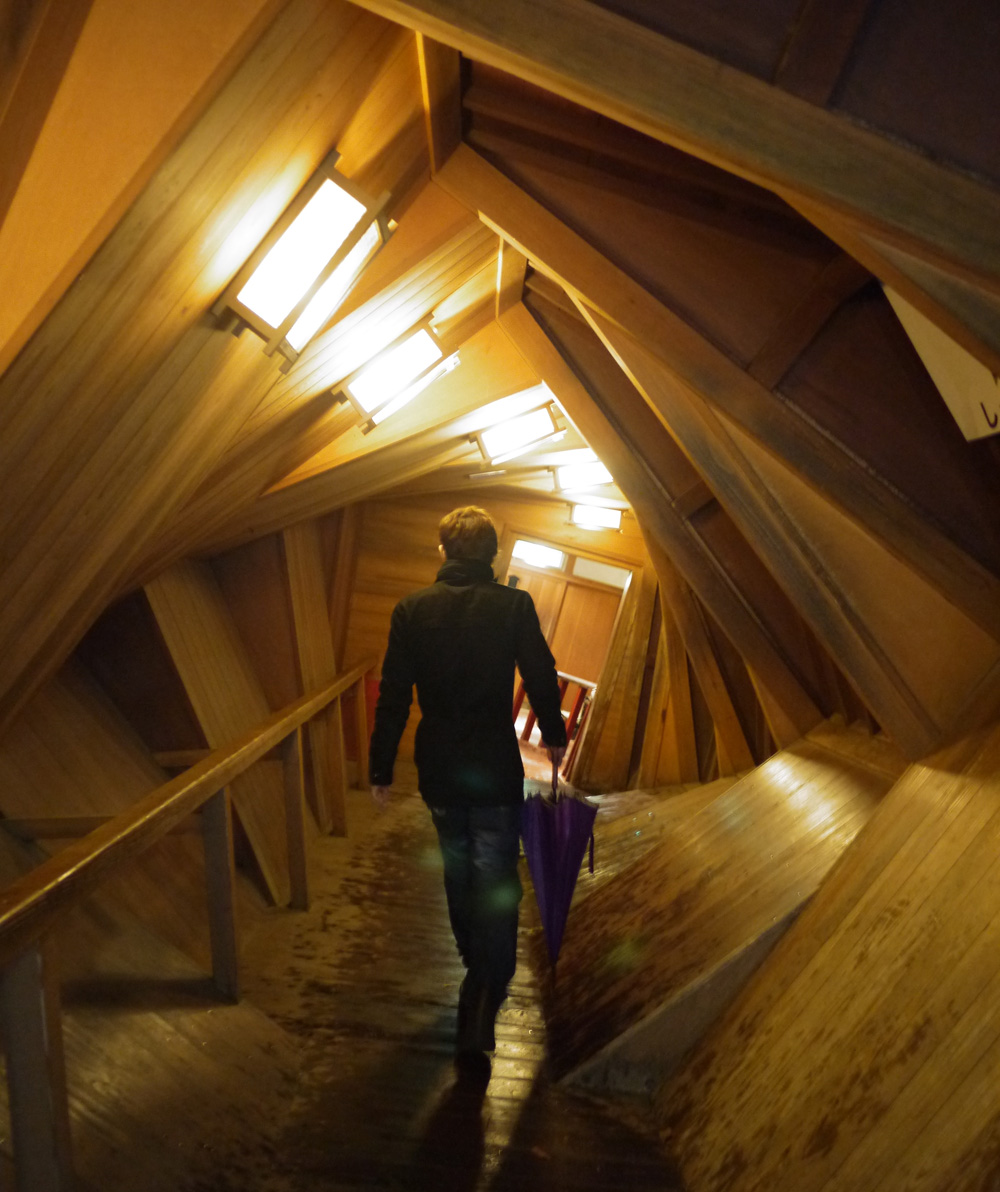
Sorry this photo is fuzzy — there was a lot of balance concentration going on.

Inside, you must shriek with delight. It can’t be helped. Built on the slant of a hill, the interior is all wonky and crooked. It messed with my head so much, I thought the floor was moving.

But it wasn’t all fun and games. I visited the wax museum, where there was a whole lot of this:

And some of this:

And to round out the day, a dancing water show. I have no idea what was happening. It was a rainy day and I was sitting on a tatami mat, so all I could concentrate on were the smell of people’s feet.

The most amusing part about this trip for me was that just 30 minutes away, in the town of Nikko, sit some amazing UNESCO World Heritage sites, Tōshō-gū shrine among them. As in, real Edo-era buildings. (You can read about my first visit to them here.) Yet, our teachers didn’t mention these once. Maybe UNESCO should add a Ninja House.

If you are looking to visit Edo Wonderland, a good video showing what you’re in for can be found here.

Weaving // slide, clack, smack, switch

I love the idea of taking a pile of miscellaneous threads and turning them into something useful, like a piece of fabric. Consumers in the craft industry, like in most industries, can be a bit removed from the manufacturing process. Fabric and yarn stores are full of materials, and sometimes it is easy to forget how they got there.
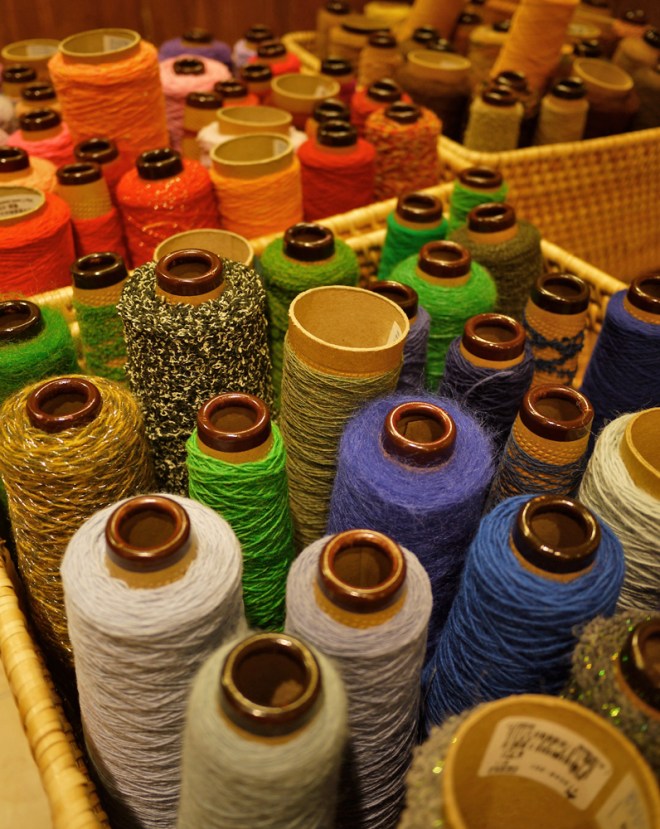
For me, creating something from bits of nothing is a really satisfying experience. Sometimes it’s a pie, sometimes a table mat. My love of handmade can probably be traced to one or all of the following:

  • I grew up making things with my DIY-style parents and my thrifty grandmother, a woman with a sense of save! save! save! and a collection of every size and color of milk/egg/meat carton you can imagine.
  • A culture being overrun with cheap, wasteful, and uninspiring commercial goods — not just in Japan or the US, but the global commercial marketplace in general.
  • My growing Etsy community, where I’ve met artists and craftsmen who value and support handmade objects of all kinds. We’re internet friends, real-life friends, and all-around craft addicts.
  • The Walking Dead has resumed on AMC and inspired me to plot my post-apocalyptic lifestyle and skill set.

My friend invited me to try saori weaving and I gladly accepted. I wanted to learn to create a textile rather than simply embellish it. Unfortunately, I still have little grasp of how that actually happens because I didn’t understand most of the Japanese spoken to me. I could probably search the internet to find a clear explanation, but it’s more fun to bring you along on my craft adventure as I experienced it — as a mute copycat. Living abroad has taught me the fine skill of mimic.

When we arrived at Jota‘s satellite location in Ikeubukuro the looms were already prepped. I was instructed to pick a few colors from the yarn bin, and the shopkeeper showed me how to wind the yarn from a big bobbin to a little one.
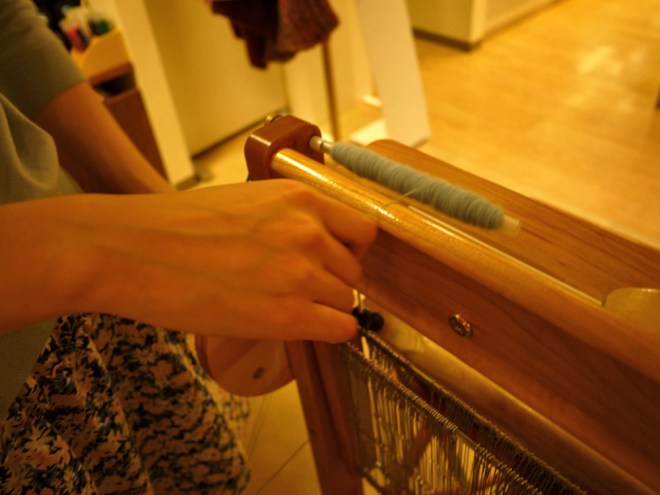
She gave me a basic demonstration on how to work the loom. Slide, clack, smack, switch. I repeated that over and over while trying to keep the seemingly thousands of threads in front of me from tangling. A note of warning, if you’re a tall foreign girl in Asia, don’t wear heels to weaving class, because your knees will knock against the loom and you’ll feel like a giant in a little loom land. Slide, clack, smack, switch, knock. Ouch. Curse under my breath. The instructor claimed she couldn’t speak English, but I recognized the matronly looks of disapproval.

I got a few pointers here and there — literally, the instructor pointed and either smiled or shook her head — but for the most part I was left to my own devices.

Here is my takeaway:

Any questions? Good! Me too!

It turns out saori weaving really embraces the imperfect: don’t think about it too much, see what evolves. I love this approach to creating. Saori also emphasizes recycling old materials, reusing bits of yarn or threads from other projects. Both of these ideas are rather unique in Japan, a place where efficiency and perfection are often valued in a process.

Thanks to everyone for the kind words about my messy little table mats! I left the class thinking it was a one-and-done experience, but after learning more about saori and your heaps of encouragement, I might be convinced to give it another shot. Next time I’ll leave my high heels at home.

If you’re in Tokyo and interested in trying saori weaving, you can visit Jota in either Kichijoji or the Seibu department store in Ikebukuro (7th floor). Contact them in advance to schedule use of the loom or to inquire about a one-day course. info@jota28.com
Weaving a fine mess

A friend invited me to try saori weaving. Excited by new crafts and adventures in Japanese, I happily accepted.

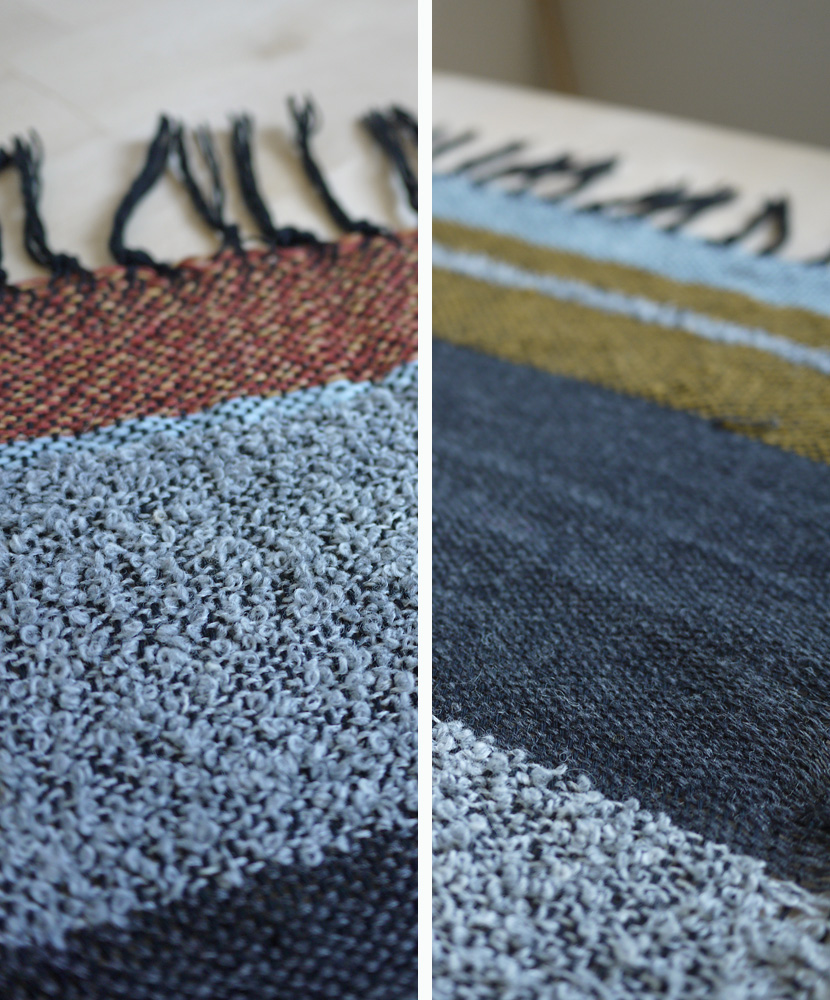
I spent about 2 hours seated at a loom and came away with 2 table mats. Up close, I think they look pretty darn good.
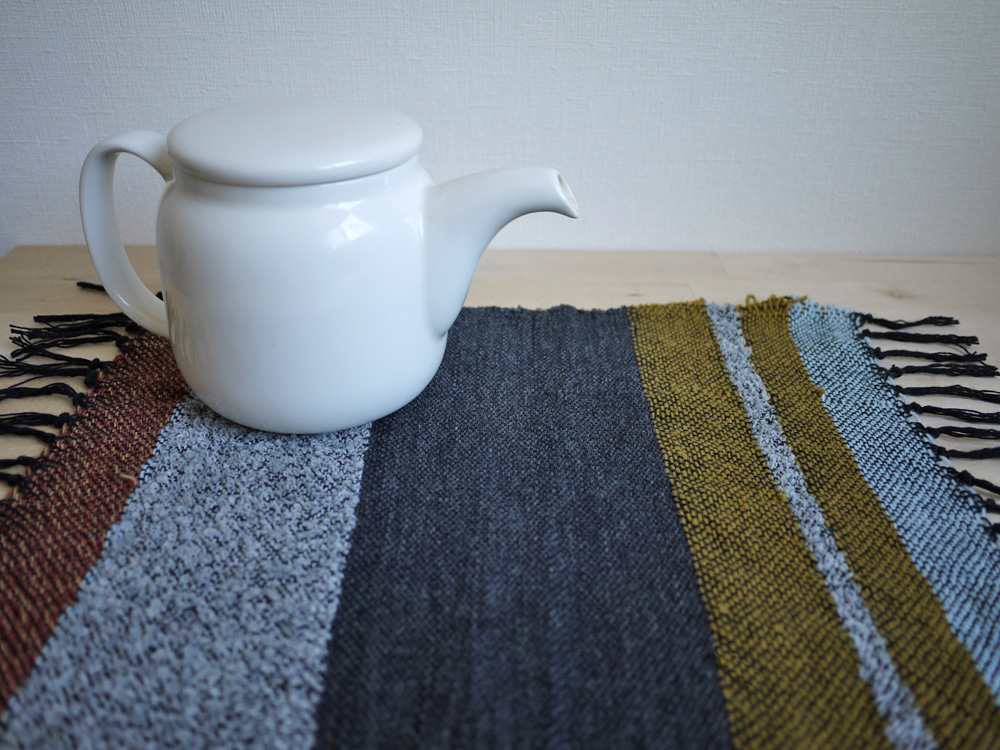
If you step back to admire the view, you might think, “Eh! Not bad for a beginner!”

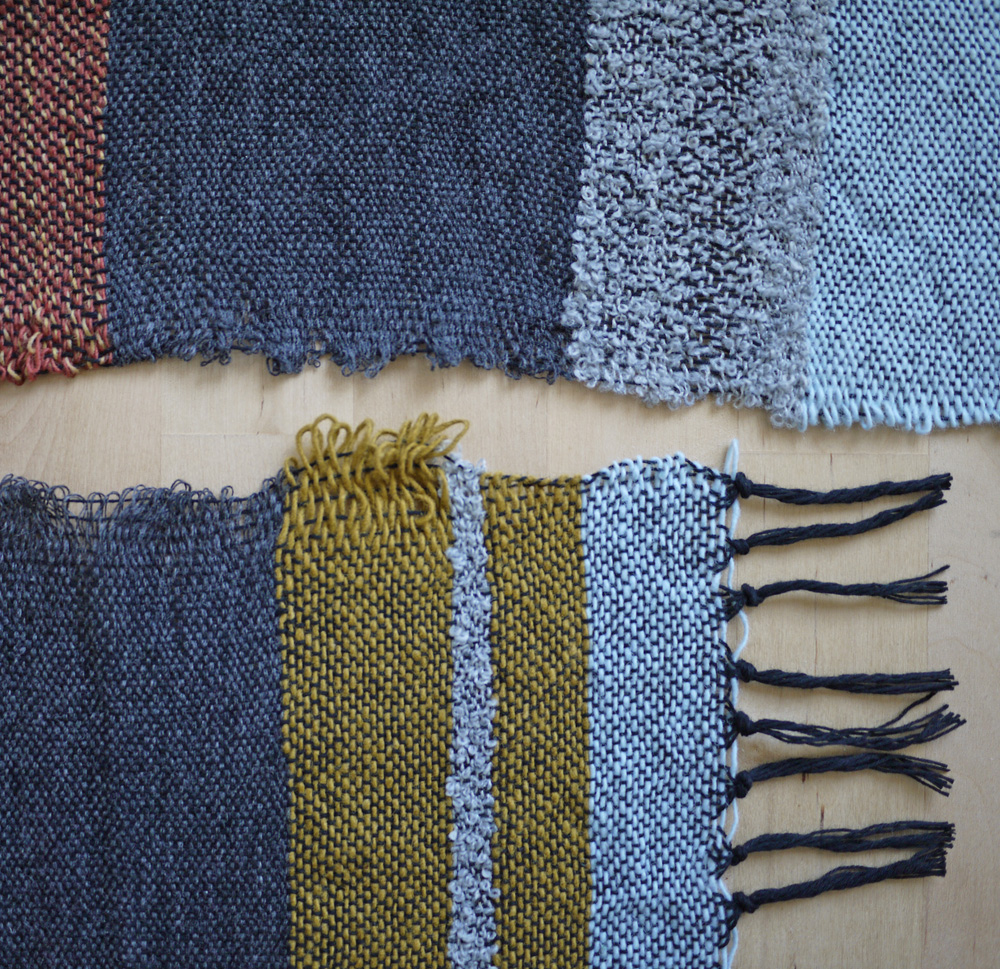
And then you step back just a little bit more, and … oh. Well. That’s quite a mess.

I’m not sure what happened. I’m a pretty handy person, usually. But weaving is hard. Well OK, the truth is it’s simple but I lack coordination. It also might have been useful to ask questions, which I couldn’t.

I wanted to ask the instructor why the edges were so wonky, and what could be done to prevent that from happening? In Japanese, I said: “It’s not cute! Why?”

Her response: “Nice job!”

And so, I trudged ahead and with plummeting expectations, finished my mostly-crooked table mats.

I was disappointed over my failed attempt until I started doing a little more internet-peeping. I learned that saori style weaving is known for its imperfections and celebrates the beauty that evolves from mistakes.

Perhaps I did get it right.

If you’re in Tokyo and interested in trying saori weaving, you can visit Jota in either Kichijoji or the Seibu department store in Ikebukuro (7th floor). Contact them in advance to schedule use of the loom, cost is 1000 yen for 3 hours plus 15 yen/gram for yarn used (my table mats were less than 500 yen each). More photos of my weaving adventure coming soon!